
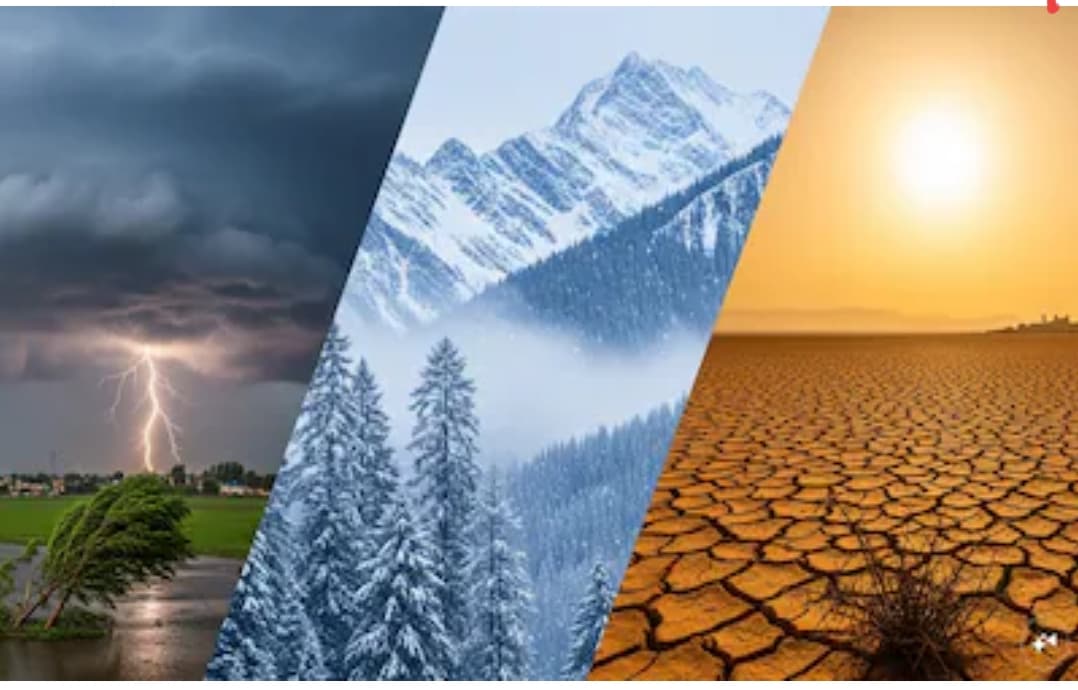
A Forecast Is Not Protection: Governing Extreme Weather Before It Becomes Disaster
A forecast becomes protective only when it changes what public institutions do before the event arrives.
We work across seven interconnected areas that translate rigorous research into practical action for people, ecosystems, and institutions.

Leadership rooted in research integrity, public purpose, and community-centered sustainability.

A forecast becomes protective only when it changes what public institutions do before the event arrives.

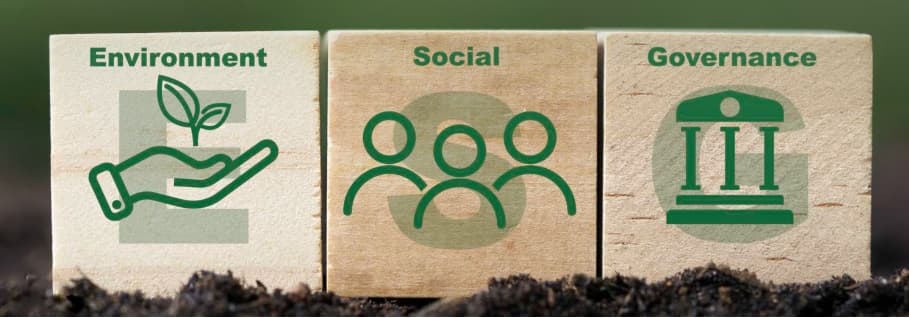
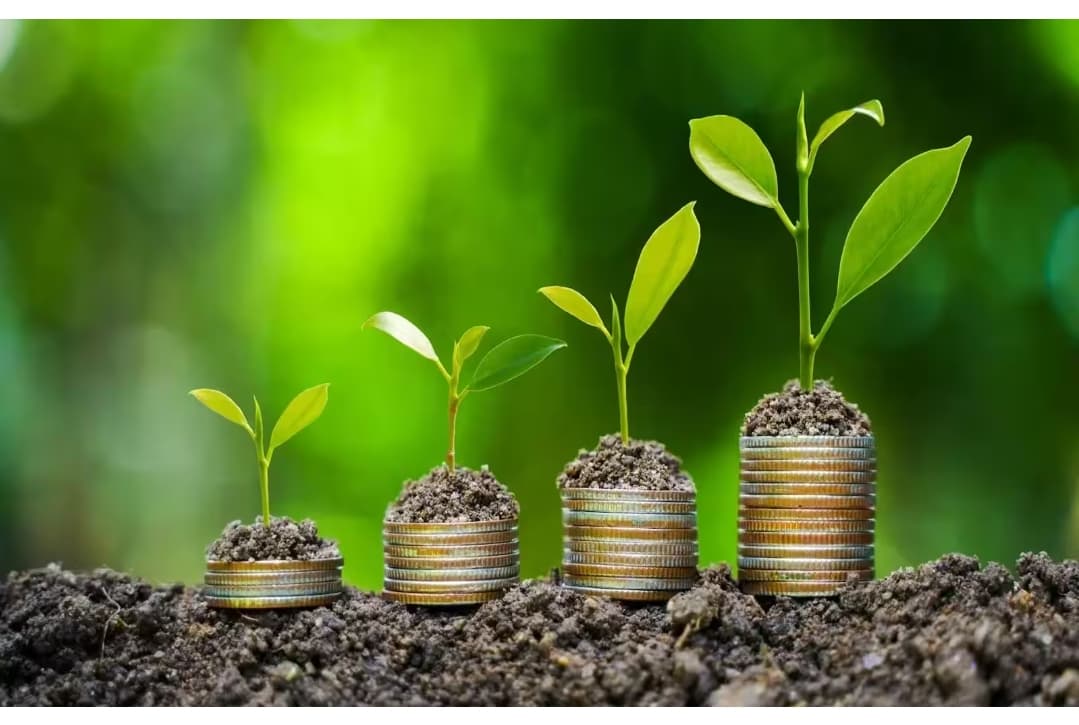
ESG has moved from a reputational add-on into a value driver in capital markets and executive pay. This brief explains how real estate investors are translating ESG into measurable financial and governance decisions.

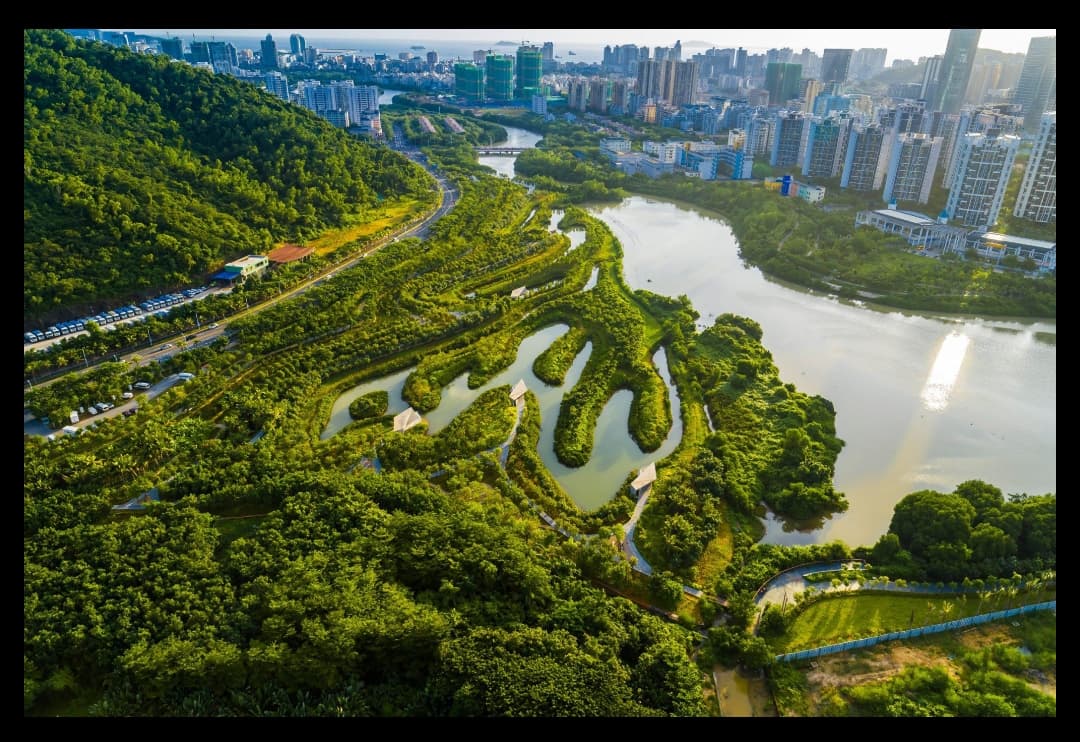
Climate strategy has long been framed around technology and decarbonisation. But natural climate solutions could deliver up to 37 per cent of the cost-effective mitigation needed by 2030 — which makes ecosystems infrastructure, not scenery.

India's statutory environmental monitoring runs on 966 air quality stations and nearly 4,500 water quality locations. Between those points, conditions are inferred rather than measured — and that is the gap geospatial and machine learning methods are built to close.

India's bioeconomy is growing fast. Whether it is becoming a bioeconomy is a harder question

The built environment accounts for 42 per cent of the world's annual carbon dioxide emissions. That scale is what turned ESG from a reputational add-on into a structural feature of UK real estate.
Providing access to basic education for marginalized children and industrial workers. Bridging educational gaps through literacy programs, vocational training, and environmental awareness.

Promoting rejuvenation of rivers, lakes, wetlands, and traditional reservoirs through nature-based solutions, rainwater harvesting, and community stewardship.

Specialized research on the fragile Himalayan ecosystem — studying glacial retreat, biodiversity loss, and building resilience for mountain communities and indigenous peoples.
Advocating for sustainable farming practices that integrate indigenous technical knowledge, minimize environmental impact, and address the water–climate–agriculture nexus.

Developing innovative technologies and policies to reduce air, water, and soil pollution while promoting waste management and ecological impact assessments of large projects.

A hub for scientific and social collaboration, bringing together researchers, practitioners, policymakers, and communities to develop holistic, evidence-based solutions.
Advancing community-led strategies to withstand climate shocks in regions affected by social tension and conflict, with emphasis on risk reduction, adaptive planning, and equitable recovery.