MS
Md. Shafiqul Islam
Associate Professor, Department of Environmental Science, International University of Business Agriculture and Technology, Dhaka, Bangladesh
Drought is a multifarious disaster characterized by significant unpredictability, particularly regarding its effects on climate change, farm diversity and household nutrition. This study investigated the relationship between drought conditions and their influence on dietary diversity and nutritional status within households. Research has evaluated the consequences of drought on farms and household dietary diversity, which in turn diminishes agro-biodiversity as a result of climate change impacts. These findings indicate that drought has a pronounced negative effect on farm and dietary diversity. Furthermore, the social vulnerability of affected populations is exacerbated by drought conditions. In regions susceptible to drought, there is a notable reduction in the diversity of foods consumed, including vegetables, fruits, fish, meat, pulses, and spices. Interestingly, the study reveals that the Rabi season experiences fewer drought-related impacts than Kharif 1 and Kharif 2, which significantly disrupts farm diversity and consequently reduces market, production and availability. The nutritional status and food diversity of households are severely compromised during drought periods, leading to increased production challenges and price fluctuations in the market. The results demonstrated that areas with high drought susceptibility exhibited lower levels of farm and household dietary diversity than those in less drought-prone regions. To mitigate the effects of drought on farm diversity, strategies such as climate-smart adaptation practices, crop irrigation, cultivation of drought-resistant and traditional crops, and alterations in cropping patterns have been implemented. In addition, households have adjusted their dietary practices, often reducing meal frequency, with women disproportionately bearing the burden of these sacrifices.
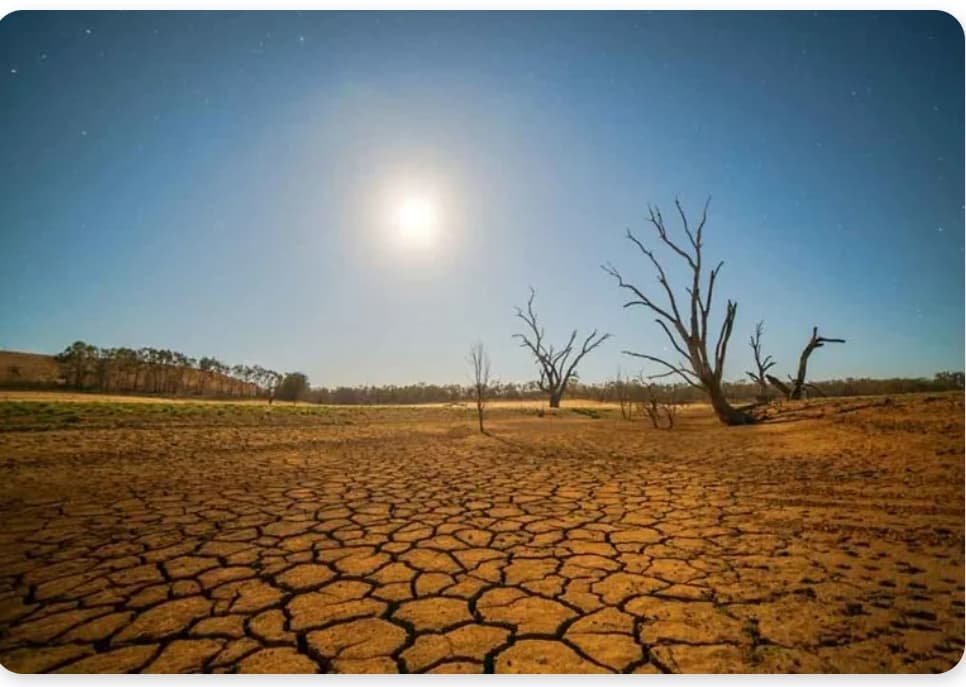
Drought is an uncertain natural disaster that lacks specific information, particularly in developing countries. Climate shocks such as droughts threaten household diets and nutrition. Drought is a visible consequence of climate change that affects people, the economy and the environment. Prolonged droughts reduce food production, causing human suffering and sometimes death. People from developing countries are more vulnerable to disasters caused by repeated drought. The Natural Resources Defense Council (NRDC) reported that almost 80% of people from developing countries remain affected by drought. Extended droughts have serious consequences and may have long-term impacts on agricultural production, society and the environment. Drought may prevail for more time, which is often critical, leading to crop loss and health problems for marginalized people. Drought is unpredictable in nature and often has greater impacts than other natural disasters, with its increasingly extreme effects reducing agricultural production, causing severe detrimental effects on society and increasing social vulnerability. Moreover, many extreme weather events are expected to rise in the future, further increasing food vulnerability and potentially exceeding the ability to fight hunger.
Drought has characteristics that distinguish it from other climate hazards, and its impacts can persist for extended periods, requiring farmers to adopt appropriate management strategies. Several factors influence the impacts of drought and play an important role in determining farm and dietary diversity. Unlike other natural disasters, drought affects a larger number of people and increases social vulnerability. Its impacts are further exacerbated by economic and political factors, making it difficult to predict the extent of associated damage and losses. Drought affects agriculture in various ways, including reduced productivity, water stress, and changes in species diversity. Ecosystems provide four major categories of services: provisioning, supporting, regulating, and cultural services. These services offer social and cultural benefits and are supported by diverse biological systems. Biodiversity provides several benefits, including access to healthy food (such as fruits and vegetables), improved human well-being, sustained agricultural productivity, greater adaptability to adverse conditions, and the preservation of resources for future use. In contrast, intensive and uniform farming systems can pose greater threats to biodiversity than diversified and integrated production systems. Such practices can increase pest damage and competition for water, soil nutrients, and pollinators, while contributing to habitat and nutrient loss and negatively affecting non-target species. The reduction in agro-biodiversity is closely linked to the loss of productivity, while threatening ecological stability, the security of food supply, and livelihoods worldwide. Approaches for the recognition and protection of agro-biodiversity are lacking; therefore, there is a need to develop indices for revealing the imperative elements of agro-biodiversity and food and dietary safety measures. The increasing frequency of extreme weather patterns and droughts will be the most important climatic factor affecting agro-biodiversity.
Agro-biodiversity and farm diversity provide benefits to individuals, households and communities. Drought affects on-farm diversity (lack of soil moisture and water), market diversity (less availability of diverse crops), and dietary diversity (low diet). Together all these factors lead to food insecurity and an increase in dietary quality. Finally, it impacts the nutrition and health of human beings. The main focus of this study was to make linkages between agro-biodiversity and farm diversity (number of species, variety), market diversity (variety, from local production or from other places), dietary diversity (nutrition, quality, and variety), and droughts.
The assessment of social vulnerability and the impacts of drought on farm and dietary diversity in the Barind Tract are very important. The study was conducted with the aim of assessing and comparing drought impacts on farms and dietary diversity in high-drought and low-drought areas of Bangladesh. The specific objectives of this were as follows:
This research addressed the following research questions:
This study aimed to investigate social vulnerability and the effects of dietary and nutritional changes resulting from natural hazards associated with droughts. Conducted over the course of a year in the northwestern region of Bangladesh, the study focused on two distinct locations: one situated in a high drought-prone area of the Barind Tract, and the other in a low drought-prone area. This comparative analysis aimed to assess the social vulnerability and the nutritional impact on households. The diversity of farms and diets was evaluated using Shannon’s index, considering various food categories, including cereals, pulses, oilseeds, spices, fruits, vegetables, trees, fish, and animal species, with particular attention to wild fish and wildlife. Farms were assessed through surveys that examined the types of crops cultivated, seasonal variations, and their uses, including 10 small, 10 medium, and 10 large farms from each location. Plant diversity was measured using homesteads of comparable size across different farm categories (small, medium, and large) as quadrants. Interviews with respondents were conducted to gather information regarding food sources, including farms, markets, neighbours, friends, and relatives. Additionally, a market survey was conducted in two markets at each site, focusing on diversity, pricing, availability, and seasonal factors. To further understand social vulnerability, four focus group discussions were conducted at each site, one with elderly participants and another with ethnic groups, addressing issues such as income, production, crop losses, and livelihood strategies, as well as the impacts of droughts on farming, household dietary diversity and nutrition. The study employed a semi-structured questionnaire and interviewed 300 sampled individuals (150 from each site), a guided checklist, expert consultations, and field observations. Biodiversity in both farm and dietary contexts was assessed through the establishment of nine quadrants in high drought-prone areas and nine in low drought-prone areas, with three quadrants from each farm size, using Shannon’s index for analysis. No ethical approval was required for this study. Verbal consent for participation in the study was obtained from the respondents before and during data collection.
Drought contributes to social vulnerability in various ways, both during its occurrence and after its cessation. This results in a range of economic and non-economic detriments. Those who are most adversely affected are often impoverished and marginalized populations, particularly those dependent on agriculture and engaged as wage labourers in this sector. Initially, drought led to a decline in crop production, which subsequently impacted on food access through diminished income, reduced purchasing power, and limited market availability. Furthermore, it affects food utilization, influencing the quality of diets and nutritional intake, as well as the frequency of meals consumed daily. The relationships between social vulnerability stemming from drought and its effects on family nutrition are shown in Table 1.
Table 1: Social vulnerability due to drought
| # | Social vulnerability | Explanation | Impacts |
|---|---|---|---|
| 1 | Social status | It causes mental tension and affects people psychologically. The poor become poorer; middle-class people become poor, and rich people become frustrated. | Societal impacts |
| 2 | Income | People from affected areas have lost their income from production, wage labour, and other agricultural activities | Impacts on crops and employment |
| 3 | Distress & tension | Drought causes mental stress among the people | Psychological impacts |
| 4 | Loss of livelihood | It limits the scope of opportunity for diversified livelihood options | Economic impacts |
| 5 | Loss of assets | People need to dispose of or sell assets (land, animals, even ornaments) | Socio-economic impacts |
| 6 | Dismantling of structure | In drought crises, people need to dismantle housing structures or others | Economic impacts |
| 7 | Farm diversity | Drought affects farm diversity by affecting crops in many ways, such as placing stress on growth, reducing soil moisture and leading to water scarcity | Low variety and damage the crops |
| 8 | Market availability | Drought affects the market in different ways, such as less or low availability, less diversity, and increased prices of the produce | It impacts affordability to purchase enough food |
| 9 | Dietary diversity | Extreme and severe drought reduces crop diversity, leading to low nutrition and less dietary diversity | Impacts on family nutrition (individuals, children, women, and elderly people). |
| 10 | Agro biodiversity | Drought causes loss of agro biodiversity through reducing the variety of cultivated wild crops, fish, and animals. | Many species are on the way to extinction, including crops, fish and animals. |
| 11 | Food security | As a whole, drought reduces crop production and access to food and reduces the diet of the affected people | Insecure food and malnutrition |
| 12 | Water Scarcity | The extended dry spell during drought leads to water paucity for household use and agriculture | Impacts on livelihood activities |
Source: Author, 2023
Social vulnerability often remains obscured by immediate observation. It is essential for individuals to comprehend long-term consequences such as chronic illnesses and dysentery. Those who are marginalized experience heightened suffering because of their limited livelihood opportunities. Many individuals endure hardship as a direct result of their social standing. The occurrence of droughts exacerbates the frequency of price surges. Vulnerable households, particularly those classified as the poorest, are disproportionately affected by social vulnerability and emotional ramifications. Common manifestations of social vulnerability include inadequate income, restricted and non-diversified livelihood options, conflicts over water resources, food insecurity, malnutrition, health challenges and access to healthcare, inequitable drought relief, rural-to-urban migration, diminished quality of life, and psychological effects such as depression and frustration, along with family disintegration and weakened social cohesion.
Farm and species diversity may decline because of various factors, including ecosystem disturbances, water shortages, soil pollution, effects of invasive species, impact of agrochemicals, and other human activities, as well as natural disasters. The distribution of species is not uniform across High-Diversity Production Areas (HDPA) and Low-Diversity Production Areas (LDPAs), and it fluctuates with seasonal changes and the types of crops or species present. A greater number of species are typically found in LDPAs (78 species), whereas LDPAs exhibit a lower count (Table 2). The diversity of individual species significantly influenced both farm diversity and dietary variety.
Table 2: Number of species found in the study area
| Description | Rabi season (HDPA) | Rabi season (LDPA) | Kharif-2 season (HDPA) | Kharif-2 season (LDPA) | Kharif-1 season (HDPA) | Kharif-1 season (LDPA) |
|---|---|---|---|---|---|---|
| Cereals | 1 | 1 | 2 | 8 | 2 | 7 |
| Pulses | 5 | 5 | 1 | 3 | 1 | 3 |
| Trees | 9 | 12 | 8 | 12 | 7 | 11 |
| Fruits | 11 | 18 | 11 | 18 | 10 | 18 |
| Vegetables | 16 | 23 | 6 | 16 | 5 | 14 |
| Fishes | 12 | 17 | 7 | 14 | 6 | 12 |
| Animals | 4 | 7 | 4 | 7 | 4 | 6 |
Source: Author, 2023; Legend: HPA-high drought-prone areas, LDPA-low drought-prone areas
Farm diversity plays a crucial role in enhancing production and improving the nutritional quality of household diets. However, drought conditions significantly undermine this diversity, adversely affecting both crop variety and the overall agricultural output. The onset of drought leads to water scarcity, which diminishes soil moisture levels and hampers the vegetative growth of crops, ultimately resulting in reduced or even complete loss of yield. High drought-prone areas (HDPAs) experience a more pronounced decline in farm diversity compared to low drought-prone areas (LDPAs), as illustrated in Table 3. The extent of species diversity in HDPAs is notably low, primarily because of the severity of the drought conditions. Analysis using Shannon’s index of diversity revealed a marked difference, with HDPAs exhibiting a lower diversity index (H: 0.835) than LDPAs (H: 0.856). Consequently, marginalized farmers in HDPAs face significant challenges owing to the dual impact of diminished production and reduced agricultural diversity, exacerbated by the frequency of drought events.
Table 3: Farm diversity based on the Shannon Index
| Category | HDPA Var | HDPA Pi | HDPA Pi² | HDPA ln Pi | HDPA -(Pi*lnPi) | LDPA Var | LDPA Pi | LDPA Pi² | LDPA ln Pi | LDPA -(Pi*lnPi) |
|---|---|---|---|---|---|---|---|---|---|---|
| Cereals | 2 | 0.065 | 0.004 | -1.19 | 0.0768 | 8 | 0.121 | 0.015 | -0.91645 | 0.11109 |
| Pulses | 1 | 0.032 | 0.001 | -1.49 | 0.0481 | 3 | 0.045 | 0.002 | -1.34242 | 0.06102 |
| Trees | 8 | 0.258 | 0.067 | -0.59 | 0.1518 | 12 | 0.182 | 0.033 | -0.74036 | 0.13461 |
| Fruits | 11 | 0.355 | 0.126 | -0.45 | 0.1597 | 18 | 0.273 | 0.074 | -0.56427 | 0.15389 |
| Vegetables | 6 | 0.194 | 0.037 | -0.71 | 0.1381 | 16 | 0.242 | 0.059 | -0.61542 | 0.14919 |
| Fishes | 7 | 0.226 | 0.051 | -0.65 | 0.1459 | 14 | 0.212 | 0.045 | -0.67342 | 0.14285 |
| Animals | 4 | 0.129 | 0.017 | -0.89 | 0.1147 | 7 | 0.106 | 0.011 | -0.97445 | 0.10335 |
| Total | 39 | - | 0.303 | - | 0.8351 | 78 | - | 0.239 | - | 0.856 |
| Shannon's Index | 0.835 | - | - | - | - | 0.856* | - | - | - | - |
| D | 3.302 | - | - | - | - | 4.180* | - | - | - | - |
Source: Author, 2023; \Higher value indicates higher farm diversity. Legend: HPA-high drought-prone areas, LDPA-low drought-prone areas*
The findings indicate a significant correlation between drought magnitudes and various factors such as the extent of affected areas, frequency, duration, scale, and dietary diversity. Respondents explicitly reported a decrease in dietary diversity associated with high drought-prone areas (HDPAs). Analysis using Shannon’s index revealed that low dietary diversity is more pronounced in HDPAs compared to low drought-prone areas (LDPAs) (Table 4). Typically, households have access to food and can sell any surplus to meet other needs under normal conditions. However, resource-poor individuals are unable to sell their produce and must rely on their own harvests for sustenance during the drought-free season, which lasts only a few months. The drought period poses significant challenges for survival, as these households experience food shortages, leading to alterations in their usual consumption patterns, including meal skipping. Key coping strategies involve reducing the quantity and quality of meals, as well as the seasonal migration of men to urban areas in search of wages or casual employment. On the other hand, women tend to depend on assistance from family, friends, and community networks.
Table 4: Dietary Diversity
| Category | HDPA Var | HDPA Pi | HDPA Pi² | HDPA ln Pi | HDPA -(Pi*lnPi) | LDPA Var | LDPA Pi | LDPA Pi² | LDPA ln Pi | LDPA -(Pi*lnPi) |
|---|---|---|---|---|---|---|---|---|---|---|
| Vegetables | 21 | 0.4883 | 0.2385 | -0.3112 | 0.1520 | 31 | 0.4189 | 0.1754 | -0.37787 | 0.1583 |
| Fruits | 6 | 0.1395 | 0.0194 | -0.8553 | 0.1193 | 11 | 0.1486 | 0.0220 | -0.8278 | 0.1231 |
| Pulses | 4 | 0.0930 | 0.0086 | -1.0314 | 0.0959 | 6 | 0.0810 | 0.0065 | -1.0910 | 0.0885 |
| Fish | 9 | 0.2093 | 0.0438 | -0.6792 | 0.1421 | 19 | 0.2567 | 0.0659 | -0.5904 | 0.1516 |
| Meat | 3 | 0.0697 | 0.0048 | -1.1563 | 0.0806 | 7 | 0.0945 | 0.0089 | -1.0241 | 0.0969 |
| Total | 43 | - | 0.3153 | - | 0.5901 | 74 | - | 0.2790 | - | 0.6183 |
| Shannon's Index (H) | 0.59 | - | - | - | - | 0.618* | - | - | - | - |
| D | 3.172 | - | - | - | - | 3.584* | - | - | - | - |
Source: Author, 2023; \Higher value indicates higher farm diversity*
Respondents from the high drought-prone areas (HDPAs) experienced greater hardships compared to those in low drought-prone areas (LDPAs) due to limited agricultural production, restricted market access, and reduced crop diversity. Participants indicated that HDPAs are constrained in their ability to cultivate a variety of crops, as drought conditions adversely affect many species that require high levels of water, soil moisture, and irrigation. According to the respondents, only 30 per cent of individuals previously managed to consume four meals a day, including snacks (Table 5). Furthermore, twenty-six per cent of HDPA respondents reported having to forgo meals, resulting in a daily intake of only two meals. This situation extends beyond mere meal frequency; drought initially compromises the quality of food consumed, leading to a decline in dietary diversity before ultimately affecting the quantity of food available. The reduction in meal frequency began in women, followed by adult males. Vulnerable populations, including children, the elderly, individuals with disabilities, and pregnant women, face heightened food insecurity compared with adults. Families within these vulnerable communities prioritize securing food for risk groups.
Table 5: Meals in a Day
| Meal in a day | High Drought-Prone Area (n=150) | Low Drought-Prone Area (n=150) | All (N=300) |
|---|---|---|---|
| 4 meals | 25 (17) | 65 (43) | 90 (30) |
| 3 meals | 85 (57) | 65 (43) | 150 (50) |
| 2 meals | 40 (26) | 20 (14) | 60 (20) |
Source: Author, 2023. Figure in parentheses indicates the percentage value
The statistical evaluation revealed a notable correlation in food consumption patterns between high drought-prone areas (HDPAs) and low drought-prone areas (LDPAs). The calculated t value was 0.5, while the critical value at a 99% confidence level, with degrees of freedom (c-1) (r-1) = 1*2=2, was determined to be 9.925. This indicates that the estimated t value is significantly lower than the critical t value (0.5 < 9.925). Consequently, it can be inferred that individuals residing in high-drought areas consume significantly fewer meals.
Farm diversity is the potential 'nature-based' solution to ends drought risks and climate change impacts in agriculture such as minimization drought driven crop risks and failure. Previous studies have shown that old-aged agricultural practices, such as no-tillage farming, seasonal calendar, field rotation, intercropping, changing planting time, and seeding before drought, can cope with drought risk. Several studies have shown that drought is a silent determinant of crop reduction that causes shocks at different scales in many developing countries. One study mentioned that drought not only reduces the quantity of food consumed by households, but also reduces the diversity of diet, nutritive value, balance, quality of diet and number of meals. Plant diversity is a natural solution for agricultural production systems. If there are more species in an ecosystem, the crop is less sensitive to a given climatic condition. Crop diversity is a resilient farming system that absorbs more shocks from climate risks. Agro-biodiversity at the farm level is essential for reducing drought risk. In reality, farm diversity defends against extreme (drought) impacts, and it needs to be prioritized. A previous study confirmed that diversity can mitigate the impact of drought events. The provision of crop insurance may secure income and provide financial backup for drought-related crop failure. Wittwer, in Limited capability of organic farming and conservation tillage to enhance agroecosystem resilience to severe drought emphasized the diversity of farms in an ecosystem. Nguyen, in Impacts of historical droughts on maize and soybean production in the southeastern United States, evaluated the effects of drought and found that over 50% of countries experienced the negative effects of drought events. Karmaoui, in The socio-ecological system of the pre-Sahara zone of Morocco: a conceptual framework to analyse the impact of drought and desertification, reported the effects of drought on social and environmental aspects. Edwards in, The social and economic impacts of drought evaluated the various impacts (economic and social) of drought on agriculture. Minor crops could be a source of farm and dietary diversity to meet multiple challenges during drought. Drought reduces household resilience because of the loss of household assets and resources. Drought-affected people eat once a day, leading to long-term malnutrition in the long run. This reduces the ability to work and engage in other livelihood activities to maintain their normal lives. Drought affects socio-economic conditions by making people jobless, and farmers lose their income sources. Diet change mechanisms are very difficult to adjust over a short period.
Cropping patterns in drought-prone regions must be modified by incorporating drought-resistant varieties, traditional crops, and the conservation of indigenous species, including fruits, plants, fish, and animals. This study emphasizes the significance of conducting drought research in both local and global contexts, focusing on adaptation strategies and comprehensive solutions to enhance agricultural and dietary diversity. Future investigations should involve a thorough analysis to pinpoint specific drought-related risks and corresponding adaptation measures necessary for formulating effective drought policies. There is a notable gap in information and knowledge regarding the deliberate definition of adaptation strategies, whether they pertain to agricultural or non-agricultural adjustments. Therefore, it is essential to identify sustainable adaptation measures that consider various magnitudes, scales, frequencies, and sectors to mitigate their impacts and reduce social vulnerability to drought. Respondents highlighted several issues that need to be addressed to alleviate ongoing challenges. A significant 93 per cent of individuals from severely drought-affected areas advocate for effective government initiatives and improved water management. This population also suggests the need to create alternative water sources. The planting of trees has been proposed as a viable solution. Respondents from these regions expressed a desire for adequate training to address the crisis effectively. Households identify the cultivation of drought-resistant crops as a key solution, whereas the preservation of rainwater is recognized as an innovative approach. Other recommendations include mixed cultivation, organic farming, and cultivation of low-water-requirement crops to minimize adverse effects. Respondents from areas with lower drought incidence also proposed solutions to tackle these issues, such as increasing tree planting, advocating for government initiatives, and ensuring proper training for farmers. They emphasized the need for effective water management and processes to conserve rainwater, alongside the cultivation of drought-tolerant and low-water crops for adaptation.
Disclaimer: The views expressed in this article are solely those of the author and do not necessarily represent the views, policies, or positions of the organisation.